August 26, 2026
In an era where privacy and security are important considerations for property owners, fencing can serve as a practical element for both residential and commercial spaces. A properly planned fence defines boundaries, limits unwanted access, and can improve the overall appearance of a property. Different designs can address needs ranging from backyard privacy and pet containment to commercial access control and perimeter protection. Property owners also have numerous materials, heights, and styles to consider when planning an installation. By evaluating security needs, local regulations, environmental conditions, and long-term maintenance requirements, owners can select a boundary solution that balances appearance with function.
Understanding Materials and Property Boundaries
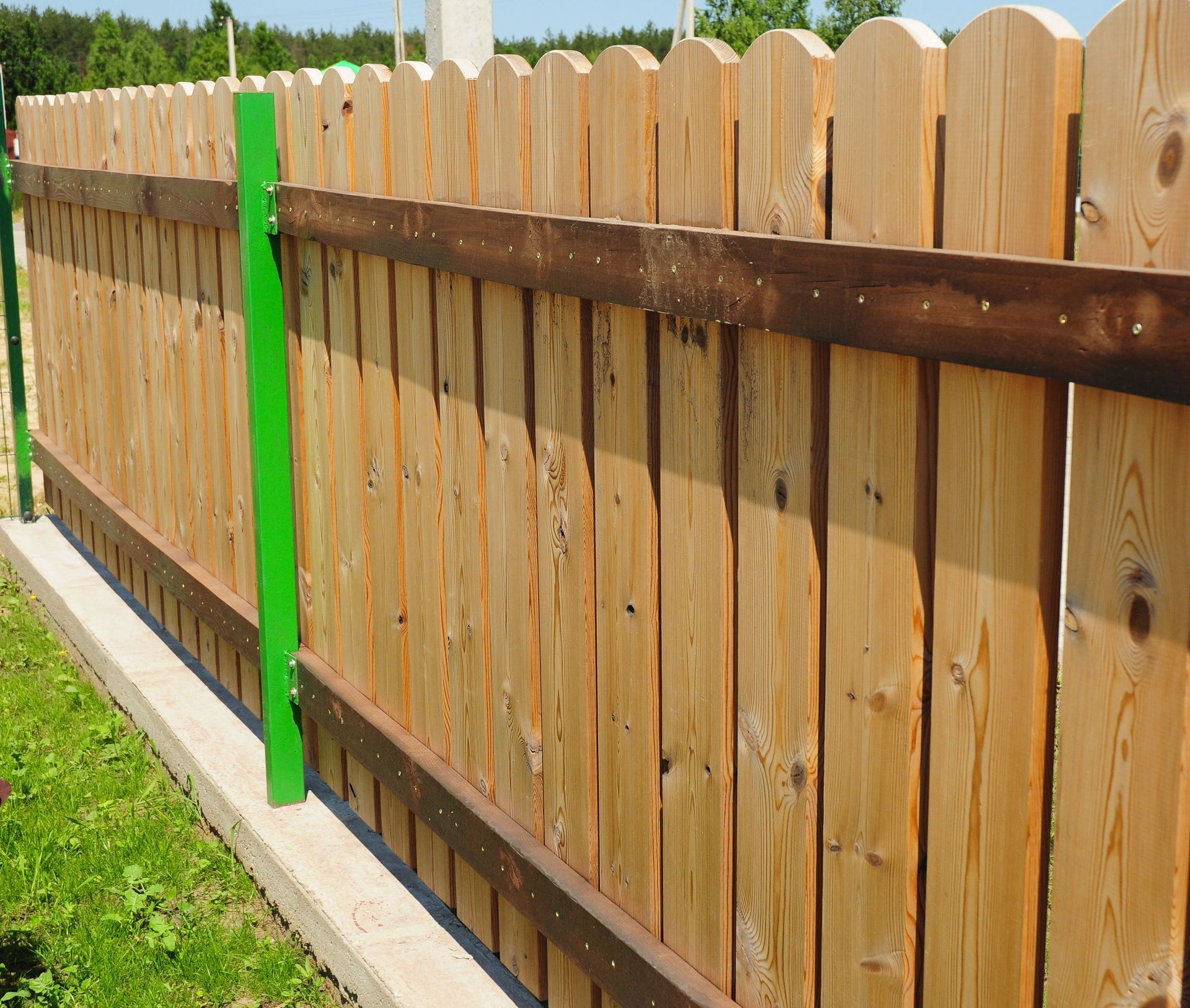
Understanding the materials available for fencing is an important part of making an informed decision. Wood remains a popular option because of its natural appearance and design versatility, although it generally requires periodic staining, sealing, or repairs to withstand moisture and weather exposure. Metal options such as wrought iron and steel provide durability and can create a strong physical barrier. Vinyl and composite materials offer alternatives for owners interested in lower maintenance requirements. Chain-link can also be appropriate for locations where visibility and economical perimeter control are priorities. Comparing expected lifespan, maintenance, appearance, and cost helps narrow the available choices.
Legal considerations should also be addressed before construction begins. Local zoning requirements may establish acceptable fence heights, setbacks, materials, or placement near streets and intersections. Homeowners associations may impose additional design requirements for residential properties. Property owners should confirm boundary lines rather than assuming that an existing landscape feature accurately identifies where one property ends and another begins. Permits may also be required depending on the location and scope of the project. Reviewing these requirements early can reduce the possibility of disputes, construction delays, or the need to modify completed work.
Evaluating Costs and Long-Term Value
The cost of fencing can vary considerably depending on the selected material, property dimensions, terrain, labor requirements, gates, and decorative features. Initial installation expenses are only one part of the financial calculation. A material with a lower purchase price may require more frequent painting, sealing, cleaning, or repairs over its service life. More expensive materials may offer longer service intervals or reduced maintenance requirements. According to Fixr, a typical fence installation spans about 200 linear feet, enough to enclose a quarter acre, illustrating how property size can have a substantial effect on project costs. Developing a budget that accounts for both installation and future upkeep can provide a more accurate picture of long-term value.
Strengthening Security Around the Property
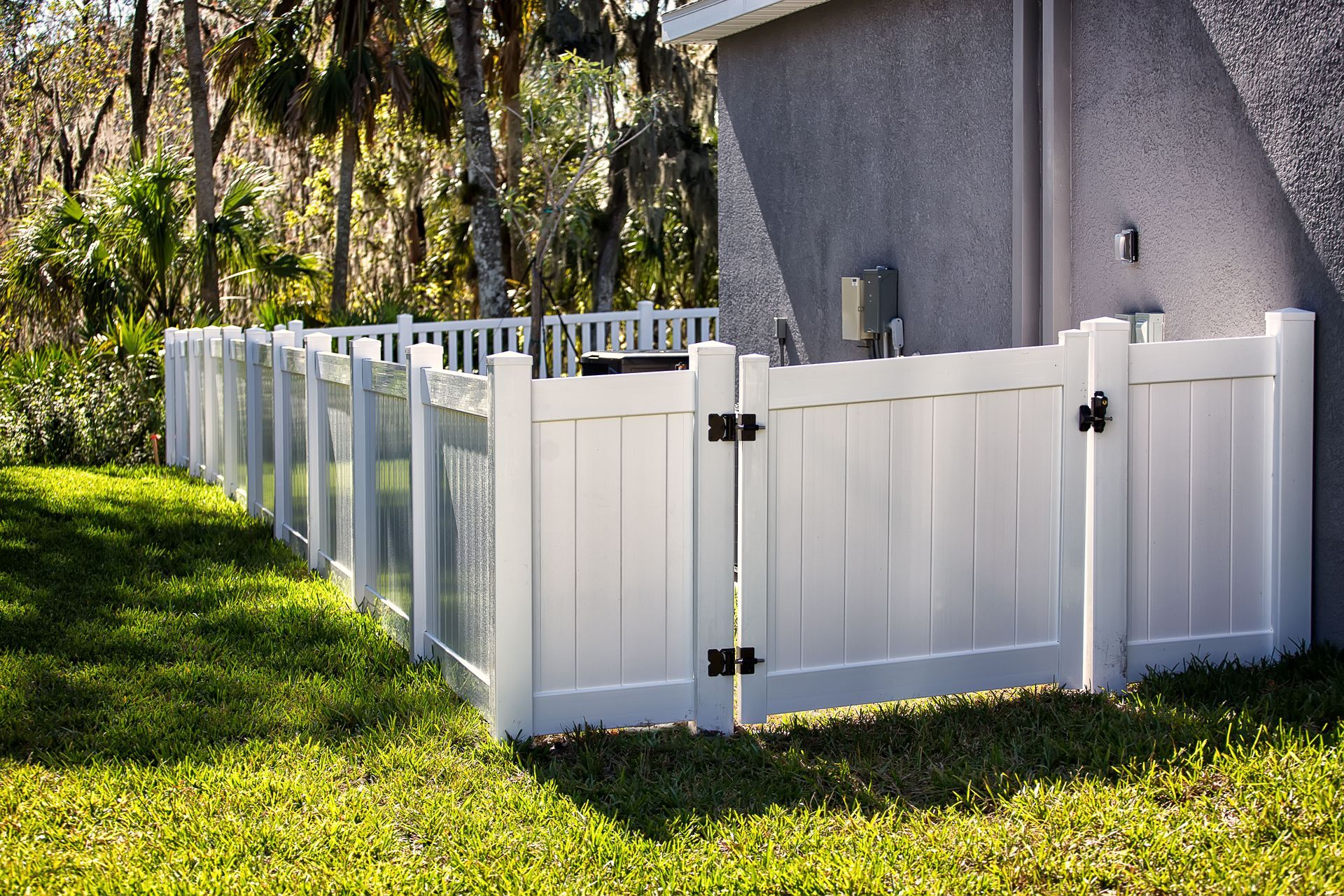
Fence height, layout, visibility, and gate placement can influence how effectively a perimeter supports security. Taller structures can restrict views into private spaces while creating a more substantial physical barrier. For residential backyards, solid panels may be useful when privacy is the primary objective. Commercial properties may benefit from designs that preserve visibility so employees or security personnel can observe activity around the perimeter. Gates should be positioned where access can be conveniently managed without creating unnecessary entry points. The most appropriate design depends on the property's layout, surrounding environment, and specific security concerns.
Technology can complement physical fencing when additional perimeter awareness is necessary. Security cameras positioned near gates and other access points can help property owners monitor activity, while motion-activated lighting can improve visibility after dark. Electronic access controls may be appropriate for commercial properties, apartment communities, storage facilities, and other locations where entry needs to be limited to authorized individuals. Sensors and alarm systems can provide another layer of monitoring. These features should be planned carefully so cameras, lighting, gates, and physical barriers operate as parts of a coordinated security strategy rather than as unrelated additions.
Increasing Privacy in Outdoor Areas
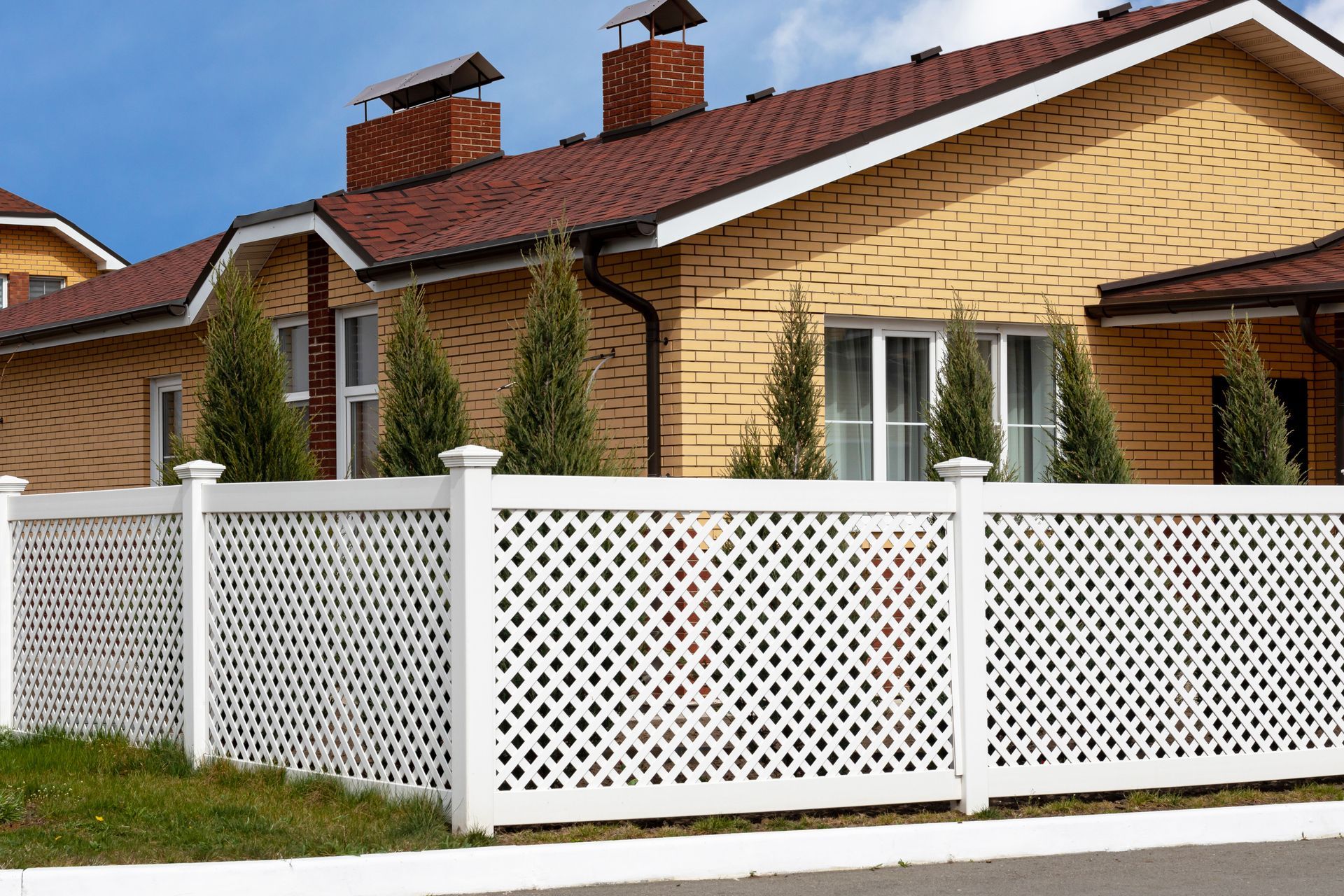
Privacy is another common reason for installing a fence, particularly around patios, pools, gardens, and backyards. Solid panels reduce direct sightlines from neighboring properties and public areas, creating a more secluded outdoor environment. Existing fences can sometimes be supplemented with privacy screens made from lattice, fabric, bamboo, or other materials. The degree of coverage can be adjusted according to the property's surroundings and the owner's preferences. Before adding screening, owners should verify that the additional material will not create excessive wind resistance or conflict with applicable neighborhood regulations.
Vegetation can also complement structural barriers. Hedges, shrubs, climbing vines, and carefully positioned trees can soften the appearance of fencing while providing an additional layer of visual screening. Plants may be especially useful where property owners want a more natural transition between landscaped areas and built structures. However, mature plant size, root growth, sunlight, watering needs, and maintenance should be considered before planting. Adequate spacing can prevent vegetation from placing pressure on panels or trapping excessive moisture against wood and other materials.
Planning for Climate and Site Conditions
Local weather conditions can significantly influence the performance of fencing materials. Areas that experience frequent rainfall or high humidity may require materials and finishes that resist moisture, corrosion, rot, or mildew. Properties exposed to strong winds require careful attention to post depth, structural reinforcement, and panel design. Freeze-and-thaw cycles can affect soil movement around posts, while intense sunlight may gradually fade or weaken certain materials. Evaluating drainage, soil type, slopes, vegetation, and exposure before installation can help determine which materials and construction techniques are appropriate for the site.
The terrain itself may also influence the complexity of installation. A relatively flat lot typically presents fewer challenges than a steep or uneven property. Sloped areas may require stepped or racked panels to maintain consistent coverage. Rocks, tree roots, underground utilities, irrigation systems, and drainage infrastructure can also affect post placement. Utility lines should be identified before digging begins. A thorough site assessment gives property owners an opportunity to address these obstacles before construction, reducing unexpected changes once installation is underway.
Comparing Professional and DIY Installation
Property owners may choose between professional installation and completing a project themselves. A DIY approach can reduce labor expenses and may be manageable for smaller, straightforward projects. However, accurate measurements, post spacing, excavation, alignment, gate installation, and compliance with local requirements require time and attention. Mistakes involving boundaries or structural support can be difficult to correct after concrete has been placed. Owners should realistically evaluate their experience, available equipment, project size, and schedule before deciding to perform the work independently.
Professional installers can provide experience with site preparation, materials, structural requirements, and installation techniques. They may also be familiar with common permitting and zoning considerations in the local area. Property owners considering contractors should request detailed estimates that explain materials, labor, gates, removal of existing structures, cleanup, and other project expenses. Comparing several proposals can reveal differences in project scope rather than simply differences in price. Warranty terms and maintenance recommendations should also be reviewed before an agreement is finalized.
Strategic fencing can contribute to privacy, security, boundary definition, and the overall organization of residential and commercial properties. Effective planning involves more than choosing an attractive style; owners should consider materials, costs, regulations, terrain, climate, maintenance, access points, and future property needs. Technology, landscaping, privacy panels, and specialized gates can further customize a perimeter when appropriate. By considering both immediate objectives and long-term performance, property owners can create boundaries that complement their surroundings while providing practical protection and privacy for years to come. Contact VFM - Aluminum and Vinyl Fences Gates Rails and Patio Covers today and learn more about our fencing services.