October 2, 2026
Homeowners looking for practical ways to improve their properties often consider fencing as an effective investment. Vinyl fencing offers an attractive combination of durability, affordability, and design flexibility, making it suitable for various residential applications. Whether the goal is to improve privacy, establish property boundaries, or enhance curb appeal, vinyl fence installation provides a convenient solution. Understanding its financial, structural, and maintenance advantages can help homeowners make informed decisions about their next outdoor improvement project.
Understanding the Cost-Effectiveness of Vinyl Fencing
Vinyl fencing offers long-term financial benefits that make it appealing to homeowners working within a specific budget. Although initial installation expenses vary depending on fence height, style, and property dimensions, reduced maintenance requirements can offset upfront costs. Unlike wood fencing, vinyl does not require regular painting, staining, or sealing to maintain its appearance.
Homeowners considering vinyl fence installation should compare material prices, labor expenses, and anticipated maintenance costs. Obtaining multiple estimates can help identify affordable options without compromising installation quality. Some fencing contractors also provide financing arrangements that allow homeowners to distribute project expenses over time. Careful budgeting ensures that the selected fence meets both immediate needs and long-term financial expectations.
Increasing Property Value and Curb Appeal
A thoughtfully designed fence can improve a property's appearance while providing practical benefits. Vinyl fencing creates clean boundaries that complement landscaping, architectural features, and existing outdoor structures. Its consistent finish gives residential properties an organized appearance that may appeal to prospective buyers.
Professional vinyl fence installation can also improve privacy and define outdoor living spaces. Homeowners can select fencing styles that complement their property's architecture while maintaining an attractive exterior. Although the effect on resale value varies according to local market conditions, a well-maintained fence can contribute to a positive first impression. Selecting neutral colors and designs that coordinate with surrounding properties may further enhance visual appeal.
Exploring Durability and Weather Resistance
Durability is an important consideration when selecting materials for outdoor improvements. Vinyl fencing resists many common problems associated with traditional wood fences, including rotting, insect damage, and moisture absorption. Its composition allows it to withstand ordinary exposure to sunlight, rain, and changing temperatures without requiring extensive protective treatments.
However, extreme weather conditions and substantial physical impacts can still damage individual components. Proper vinyl fence installation helps ensure that posts, panels, and supporting structures remain secure under expected environmental conditions. Homeowners should consider local climate patterns when selecting fencing materials and installation methods. Choosing products with appropriate wind ratings and manufacturer warranties can provide additional confidence in their investment.
Simplifying the Fence Installation Process
Vinyl fencing is available in prefabricated sections that can simplify construction and reduce installation time. These components are manufactured to fit together, allowing installers to establish consistent spacing and alignment. Depending on property conditions, experienced contractors can complete certain residential projects within a relatively short period.
According to Fixr, professional fence installation can typically take one to two days, although larger or more complicated projects may require additional time. Homeowners considering vinyl fence installation should account for property measurements, underground utilities, soil conditions, and applicable permit requirements.
Although some homeowners prefer completing fencing projects themselves, professional installation can help address challenges involving uneven terrain, accurate post placement, and secure foundations. Proper preparation also reduces the likelihood of alignment problems that could affect the fence's appearance and performance.
Choosing From Versatile Styles and Colors
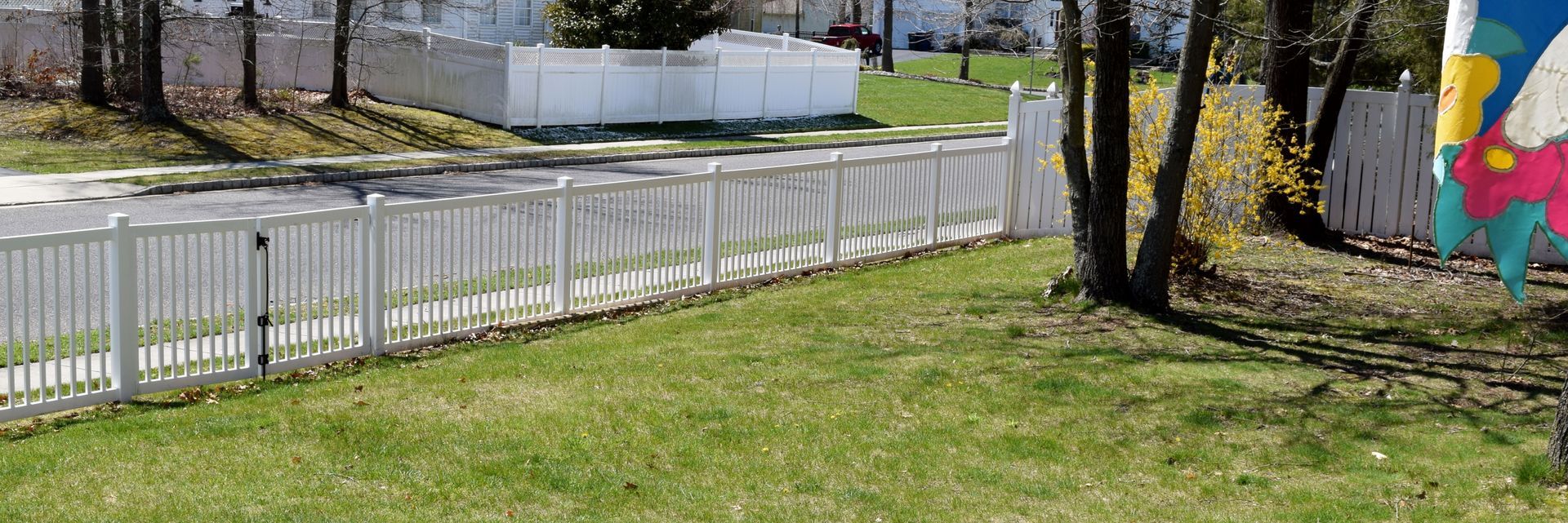
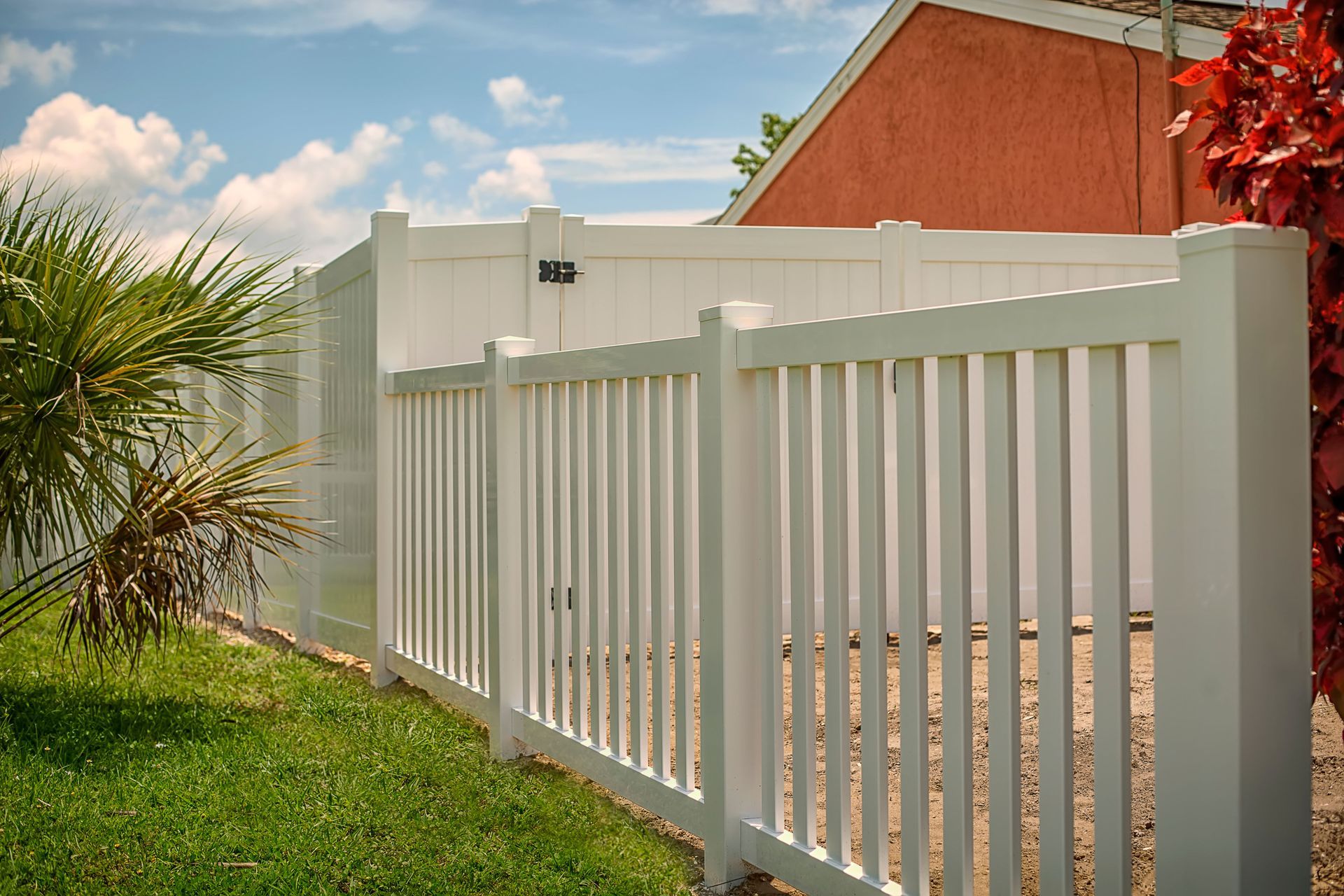
Vinyl fencing is available in numerous designs that accommodate different architectural styles and personal preferences. Traditional white picket fences complement classic residential properties, while solid privacy panels create enclosed spaces suitable for backyard activities. Contemporary designs with horizontal details or decorative accents offer additional opportunities for customization.
Homeowners can also choose colors such as white, tan, gray, and simulated wood finishes. Decorative post caps, lattice accents, and coordinated gates provide further design flexibility. When planning vinyl fence installation, selecting a style that complements existing landscaping and exterior finishes can create a cohesive appearance. Considering visibility, privacy, and neighborhood requirements helps homeowners identify a design that balances aesthetics with functionality.
Reducing Environmental Impact Through Longevity
The extended service life of vinyl fencing can reduce the frequency of material replacement. Unlike wood, vinyl does not require routine chemical treatments to protect against insects or decay. This characteristic can help homeowners limit their use of certain maintenance products throughout the fence's lifespan.
Some manufacturers incorporate recycled materials into their fencing products, while certain vinyl components can be recycled through specialized facilities. However, recycling availability depends on local infrastructure and material composition. Homeowners interested in environmentally responsible improvements should investigate manufacturer practices, recycled content, and disposal options before purchasing materials. Selecting durable products and maintaining them appropriately can also help reduce unnecessary waste.
Maintaining Vinyl Fencing With Minimal Effort
One of vinyl fencing's most appealing characteristics is its straightforward maintenance. Unlike traditional wood fences, vinyl generally does not require repainting, staining, or sealing. Homeowners can remove ordinary dirt and surface buildup using water, mild soap, and a soft brush.
Periodic inspections are still important for identifying loose components, damaged panels, or shifting posts. Addressing minor problems promptly can prevent additional structural complications. Homeowners should also remove accumulated leaves and debris around fence foundations to maintain proper drainage.
High-quality vinyl products often contain additives that help resist fading from ultraviolet exposure. Nevertheless, prolonged sunlight and harsh environmental conditions can gradually affect their appearance. Following manufacturer cleaning recommendations helps preserve the fence's finish without damaging its protective surface.
Improving Privacy and Outdoor Functionality
Vinyl fencing provides homeowners with opportunities to create private, functional outdoor environments. Solid panels can limit visibility from neighboring properties, making patios, swimming pools, and backyard gathering areas feel more secluded. Different fence heights allow homeowners to select an appropriate level of privacy based on their surroundings.
Carefully planned vinyl fence installation can also establish boundaries for gardens, recreational spaces, and areas intended for pets. Gates provide convenient access while maintaining separation between different sections of the property. Before selecting a design, homeowners should review local fencing regulations, property lines, and homeowners association requirements. These considerations help ensure that the finished project meets both practical expectations and applicable restrictions.
Comparing Vinyl With Traditional Fencing Materials
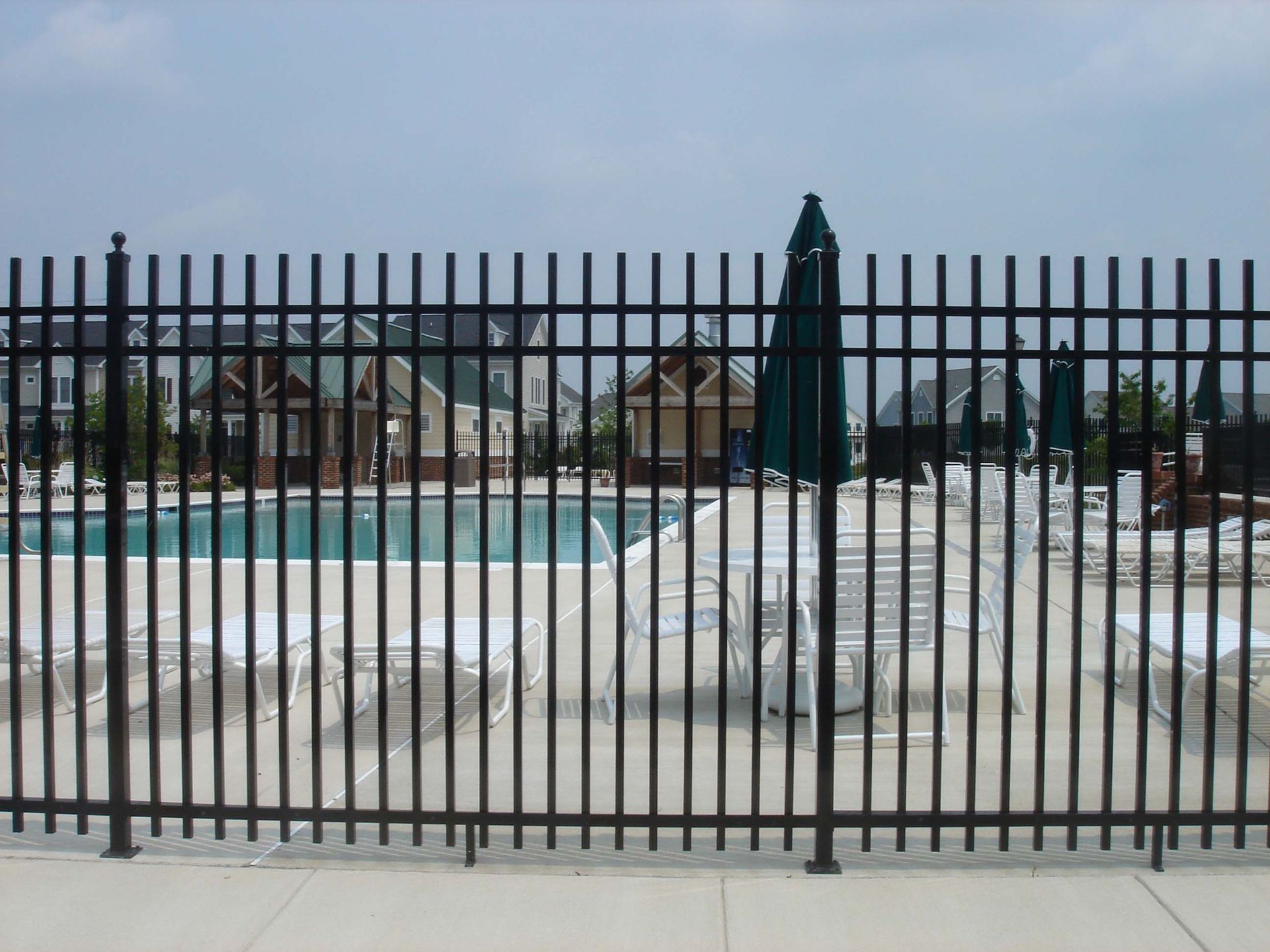
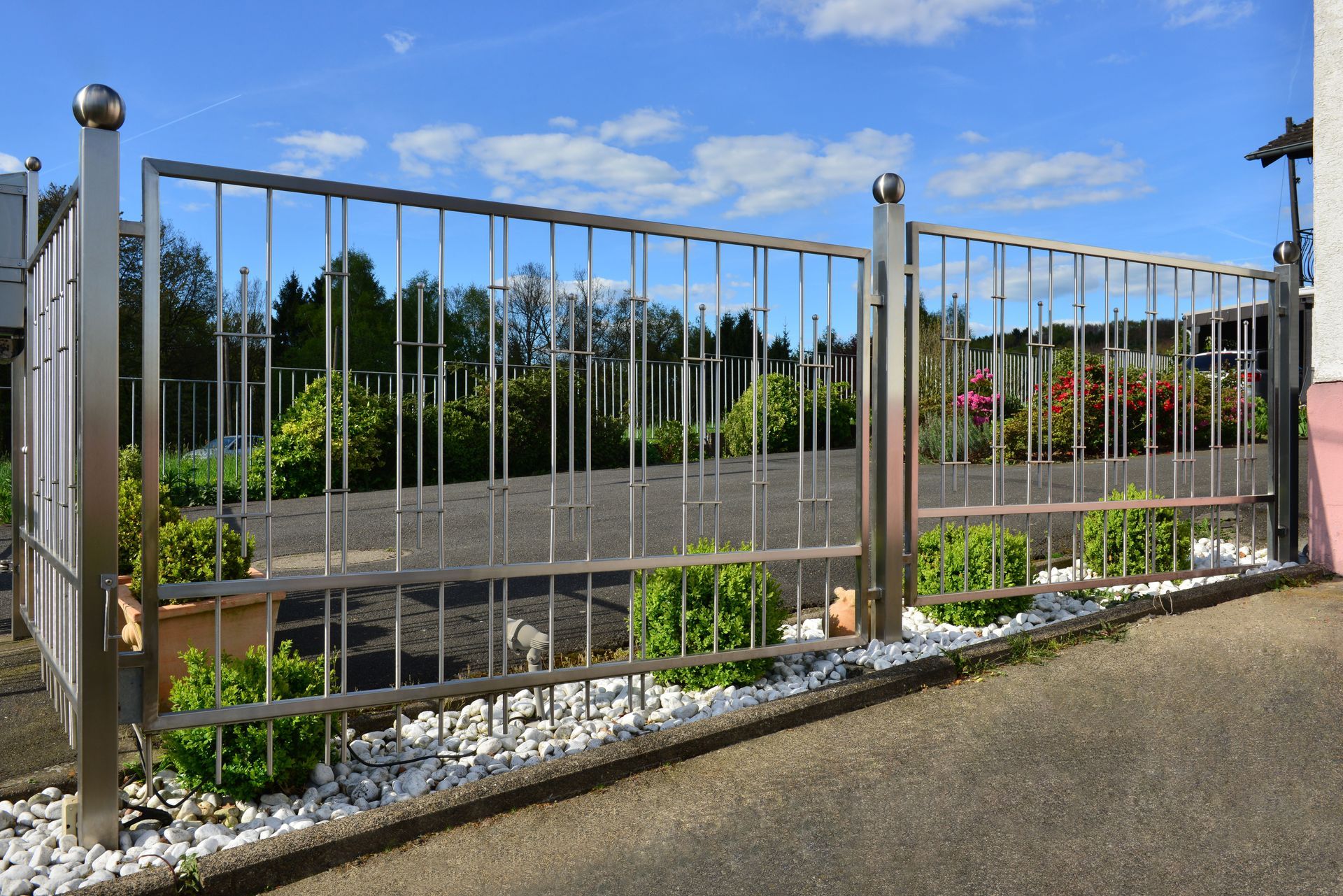
Comparing fencing materials helps homeowners identify options that match their priorities. Wood provides a traditional appearance and considerable customization potential but typically requires periodic protective treatments. Metal fencing offers strength and distinctive decorative designs, although certain materials may require corrosion protection.
Vinyl provides an alternative for homeowners who prioritize low maintenance and consistent appearance. While some wood fences have lower initial material costs, their ongoing maintenance expenses can increase overall ownership costs. Vinyl also resists insect damage and does not develop rust.
However, material quality, installation conditions, and environmental exposure influence long-term performance. Comparing warranties, replacement-part availability, and estimated maintenance expenses provides a more complete understanding of each fencing option.
Planning a Successful Home Improvement Project
Successful fencing projects begin with careful planning and realistic expectations. Homeowners should establish their primary objectives, measure the proposed fence line, and determine which materials and designs best accommodate their property. Evaluating drainage conditions, landscaping features, and access requirements can help prevent unexpected complications during construction.
Working with experienced contractors can simplify material selection, project scheduling, and compliance with local regulations. Before approving vinyl fence installation, homeowners should request detailed estimates outlining labor, materials, preparation requirements, and warranty coverage.
Vinyl fencing offers a practical combination of durability, aesthetic versatility, and manageable maintenance requirements. With thoughtful planning and appropriate installation, homeowners can create attractive property boundaries that improve outdoor functionality while supporting their long-term home improvement goals. Contact VFM - Aluminum and Vinyl Fences Gates Rails and Patio Covers today and learn more about our fencing services.