March 30, 2026
When it comes to enhancing your property’s security, privacy, and curb appeal, choosing the right fencing material is a decision that carries long-term impact. Two of the most popular options homeowners consider are vinyl and aluminum. Each offers unique benefits, aesthetic qualities, and maintenance requirements, making the choice less about which is better overall and more about which is better for your specific needs. Understanding the differences between these materials can help you make a confident and informed decision. With the right fence, you can not only protect your property but also elevate its overall appearance and value. Selecting the proper fence can save you time and money over the years by minimizing maintenance and ensuring long-lasting durability.
Whether you’re enclosing a backyard, securing a pool area, or simply adding a decorative boundary to your property, the type of fence you install plays a crucial role in both functionality and appearance. Vinyl and aluminum fences are both modern, durable alternatives to traditional wood or wrought iron, but they differ in cost, upkeep, style, and performance. In this guide, we’ll break down everything you need to know to determine which option is right for your home.
Comprehending Material Composition and Durability
Vinyl fencing is made from polyvinyl chloride (PVC), a plastic-based material known for its strength and resistance to environmental wear. Unlike wood, vinyl does not rot, warp, or splinter over time, making it an appealing low-maintenance option for homeowners. It performs especially well in humid or rainy climates where moisture can quickly degrade other materials. With proper installation, vinyl fences can last decades without significant deterioration.
On the other hand, an aluminum fence is constructed from metal that is naturally resistant to rust and corrosion. Most aluminum fences are powder-coated, adding an extra layer of protection against the elements. This makes them particularly suitable for areas with varying weather conditions, including regions that experience heavy rainfall or intense sunlight. The durability of aluminum ensures that it maintains its structural integrity over time.
While both materials are highly durable, they respond differently to impact. Vinyl can crack under extreme force, such as a fallen tree branch or heavy object, whereas aluminum tends to bend rather than break. This can be an important consideration depending on your environment and how much physical stress your fence might encounter.
Both vinyl and aluminum offer excellent longevity, but your choice may depend on your priorities. If you want a material that resists moisture and requires minimal upkeep, vinyl is a strong contender. If you prefer a material that can withstand impact and maintain a sleek appearance, an aluminum fence may be the better fit.
Comparing Maintenance Requirements
One of the biggest advantages of vinyl fencing is its low-maintenance nature. Unlike wood, which requires regular staining or sealing, vinyl only needs occasional cleaning with soap and water to maintain its appearance. It doesn’t fade easily and is resistant to pests, making it a hassle-free option for busy homeowners who want a clean look without ongoing effort.
Aluminum fencing also offers relatively low maintenance, but it differs slightly in care requirements. While it doesn’t rust like iron, it may occasionally require touch-ups if the protective coating becomes scratched. Regular inspections can help ensure the fence remains in good condition, especially in high-traffic areas where wear and tear are more likely.
Another factor to consider is how each material handles dirt and debris. Vinyl fences can show dirt more easily, particularly lighter-colored options, which may require more frequent cleaning to keep them looking pristine. Aluminum fences, with their darker finishes and open designs, tend to hide dirt better and require less frequent washing.
In terms of overall effort, both materials are far easier to maintain than traditional fencing options. However, if your goal is minimal upkeep with no need for repainting or repairs, vinyl may have a slight edge. Still, many homeowners appreciate the durability and simple care routine that comes with an aluminum fence.
Evaluating Aesthetic Appeal and Design Options
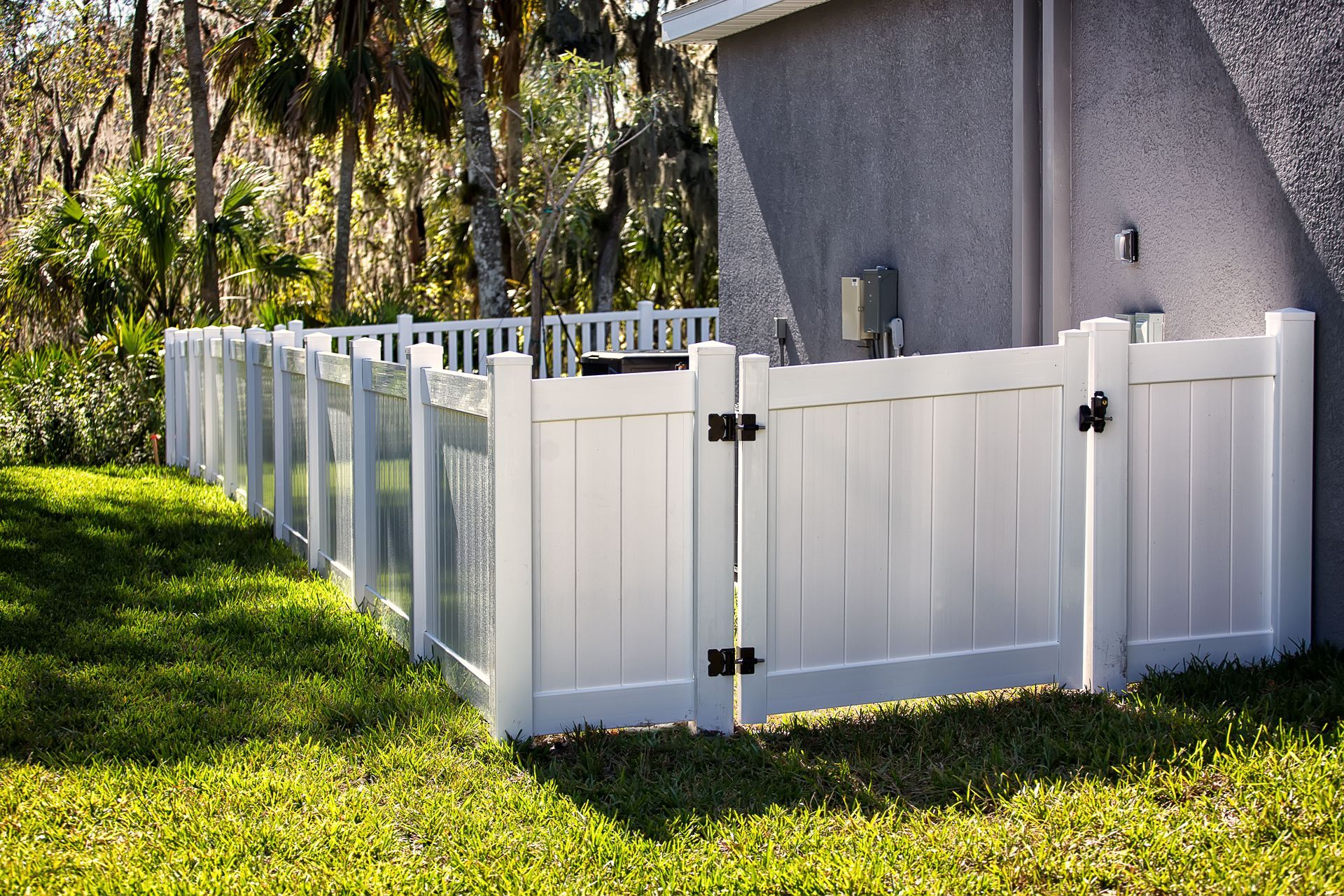
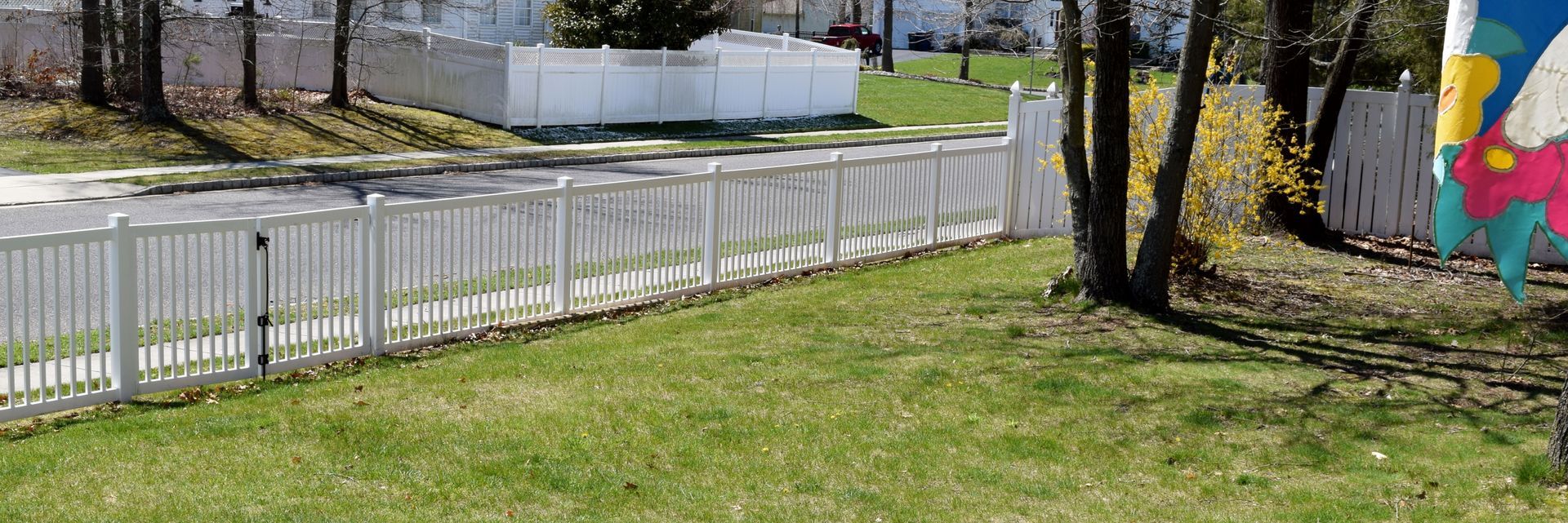
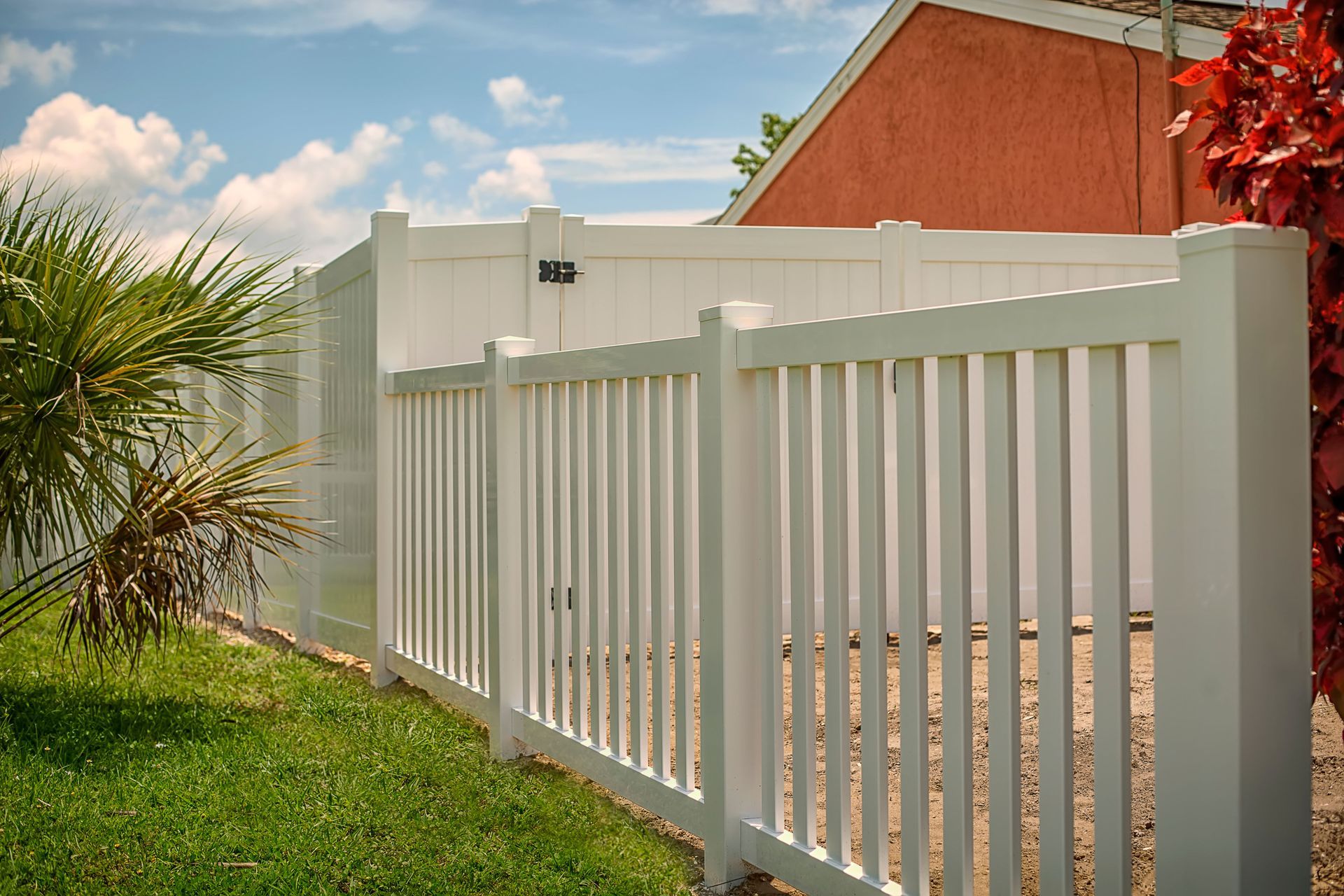
When it comes to style, vinyl fencing is often chosen for its versatility and ability to mimic the look of traditional wood. It is available in a wide range of colors and styles, including privacy panels, picket designs, and decorative accents. This makes it a great choice for homeowners looking to create a cohesive and polished look around their property.
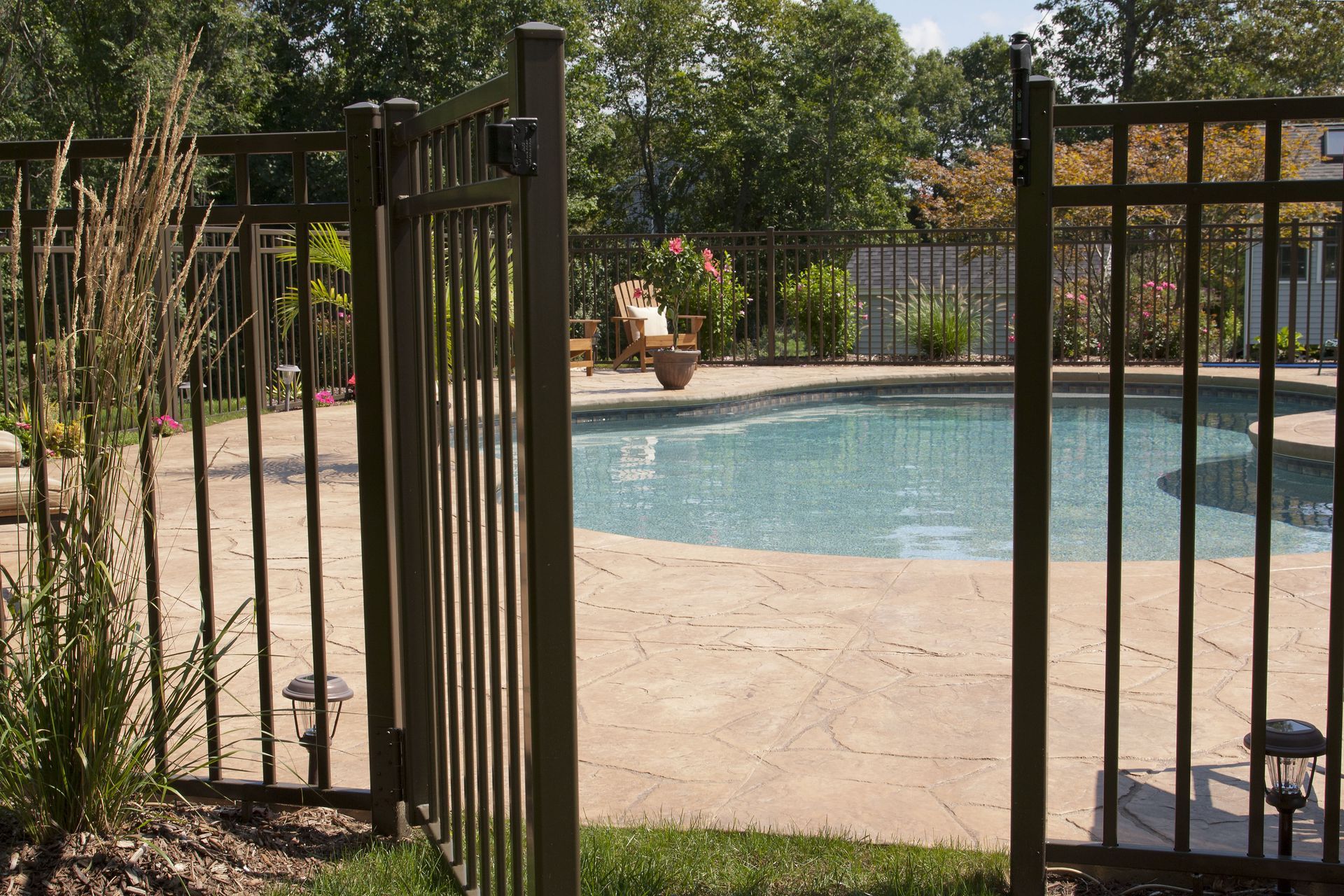
Aluminum fencing, by contrast, is known for its elegant and timeless appearance. It often resembles wrought iron but without the high maintenance requirements. The clean lines and open design make it a popular option for front yards, gardens, and pool enclosures where visibility is important. An aluminum fence can add a sophisticated touch to both modern and classic homes.
Another key difference lies in privacy. Vinyl fencing excels in providing full privacy, making it ideal for backyards or areas where seclusion is desired. Aluminum fencing typically features spaced pickets, which means it offers little to no privacy but allows for better airflow and visibility.
Your aesthetic preferences and functional needs will play a major role in this decision. If privacy and variety are top priorities, vinyl may be the better choice. If you value elegance and an open, decorative look, an aluminum fence could be exactly what your property needs.
Considering Cost and Return on Investment
Cost is often a deciding factor when choosing a fence, and both vinyl and aluminum have different pricing structures. Vinyl fencing generally has a higher upfront cost due to the material and installation process. However, its low maintenance requirements can save money over time, making it a worthwhile investment for many homeowners.
Aluminum fencing tends to be more affordable initially, especially for simpler designs. Installation is often quicker and less labor-intensive, which can further reduce costs. This makes it an attractive option for those working within a tighter budget while still wanting a durable and attractive fence.
It’s also important to consider the potential return on investment. According to Fixr, fences can increase property value, providing an average return on investment of 50% to 70%, depending on the material used. Both vinyl and aluminum fences can enhance curb appeal and make your home more appealing to potential buyers.
The right choice will depend on how you balance upfront costs with long-term value. While vinyl may require a larger initial investment, its durability and minimal upkeep can pay off over time. Meanwhile, an aluminum fence offers affordability and style, making it a practical and cost-effective option for many homeowners.
Choosing between vinyl and aluminum fencing ultimately comes down to your specific needs, preferences, and budget. Both materials offer significant advantages over traditional fencing options, including durability, low maintenance, and visual appeal. By understanding how each performs in different areas, you can select a fence that enhances your property while meeting your practical requirements. Remember, investing in the right fence not only improves your home’s security and style but can also increase its overall value.
Take the time to evaluate your priorities—whether it’s privacy, aesthetics, cost, or maintenance. With the right choice, your fence can become a valuable addition that improves both the function and beauty of your outdoor space for years to come. Enhance your property’s security and style today with VFM - Aluminum and Vinyl Fences Gates Rails and Patio Covers. Contact us to explore your options and find the perfect vinyl or aluminum fence for your home!