January 28, 2026
Vinyl picket fences are a popular choice for homeowners who want to define property boundaries while maintaining a clean, welcoming appearance. Known for a classic style and relatively low upkeep, these fences can complement a wide range of architectural designs. Before selecting a fence style, it is important to evaluate several practical and aesthetic factors to ensure the finished result aligns with property layout, functional needs, and long-term expectations.
1. Understanding Vinyl Fence Construction
Reviewing Typical Vinyl Fence Manufacturing
Vinyl picket fences are made from PVC-based materials designed for outdoor residential use. These materials are engineered to provide a consistent appearance and structural stability across fence panels and posts. While manufacturers may vary in specific formulations, vinyl fencing is widely valued for uniformity and reliable performance in residential environments.
Evaluating Performance in Outdoor Conditions
One reason homeowners choose vinyl fencing is its ability to handle exposure to common outdoor conditions. Vinyl does not absorb moisture, which helps reduce issues such as swelling or decay that can affect other fencing materials. This makes vinyl picket fences a practical option for properties exposed to sun, rain, and seasonal temperature changes.
Assessing Durability and Everyday Use Considerations
Durability plays a key role in fence selection, particularly for homeowners seeking a long-term solution. Vinyl fencing is designed to maintain its shape and appearance over time when properly installed and maintained. Evaluating how the fence will be used, including proximity to walkways, pets, or landscaping, can help determine whether a picket style meets both functional and visual needs.
2. Evaluating Fence Planning Costs
Balancing Upfront Costs With Long-Term Value
The cost of a vinyl picket fence typically reflects several combined factors, including the materials selected, the complexity of the layout, and the specific installation requirements of the property. While vinyl fencing may come with a higher initial price point than some traditional fencing materials, many homeowners weigh that upfront investment against reduced maintenance needs over time. According to Fixr, fences can boost property value, providing an average return on investment of 50% to 70%, depending on the material.
Comparing Vinyl With Other Fence Materials
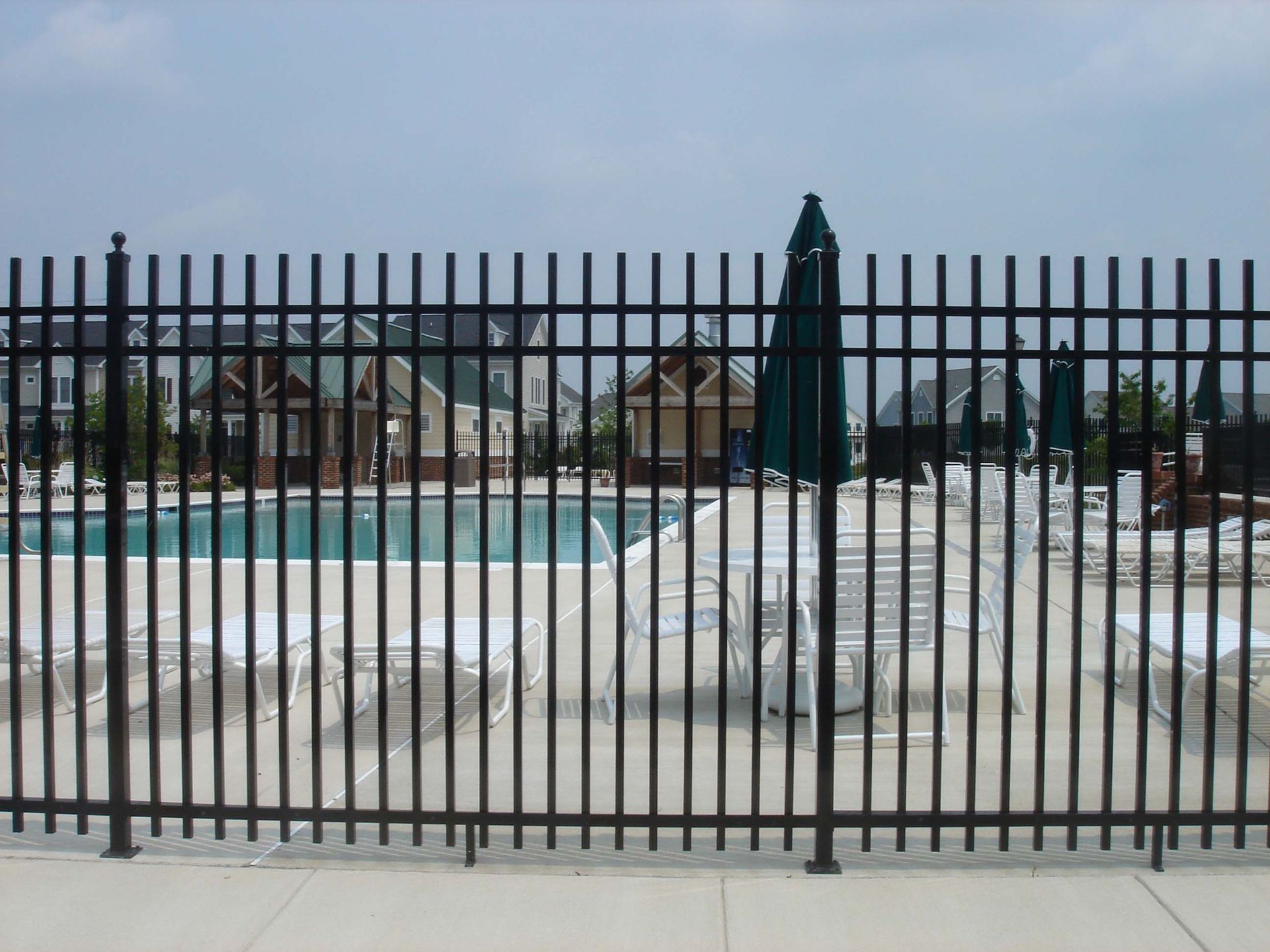
Vinyl fencing is often compared to wood or metal alternatives when homeowners begin evaluating their fencing options. Unlike wood, vinyl does not require regular painting or sealing to maintain its appearance, which can simplify long-term upkeep considerations. Compared to some metal fencing styles, vinyl offers a more traditional look that aligns well with many residential settings and neighborhood aesthetics.
Accounting for Installation and Layout Costs
Installation costs can vary based on factors such as overall fence length, property terrain, and layout considerations that include slopes or existing structures. Professional installation helps ensure posts are set correctly and panels are aligned properly, both of which directly influence the fence's appearance and performance. Accounting for installation early in the planning process allows homeowners to better anticipate total project costs and avoid unexpected expenses later.
Reviewing Payment and Financing Considerations
Some fencing providers offer payment or financing options to help homeowners manage project costs more comfortably. Discussing budget preferences and payment considerations early in the process allows homeowners to make informed decisions about fence styles and configurations that align with their financial plans. Taking time to plan ahead can contribute to a smoother purchasing and installation experience overall.
3. Designing Vinyl Fence Styles
Customizing Fence Height, Spacing, and Layout
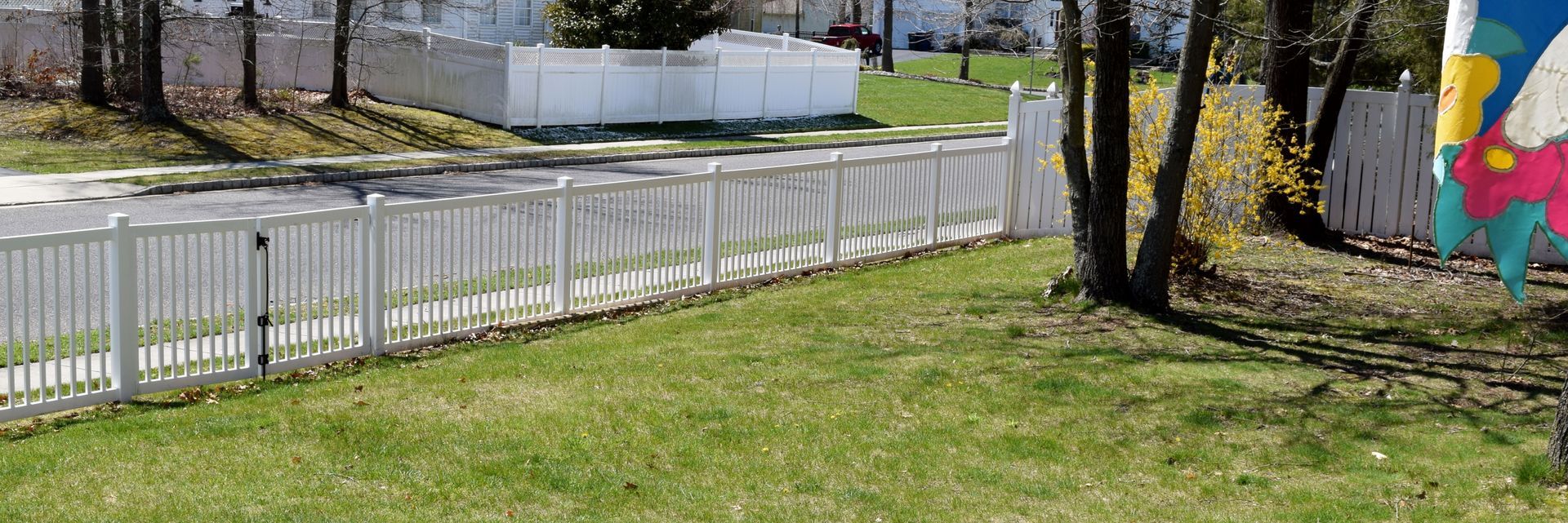
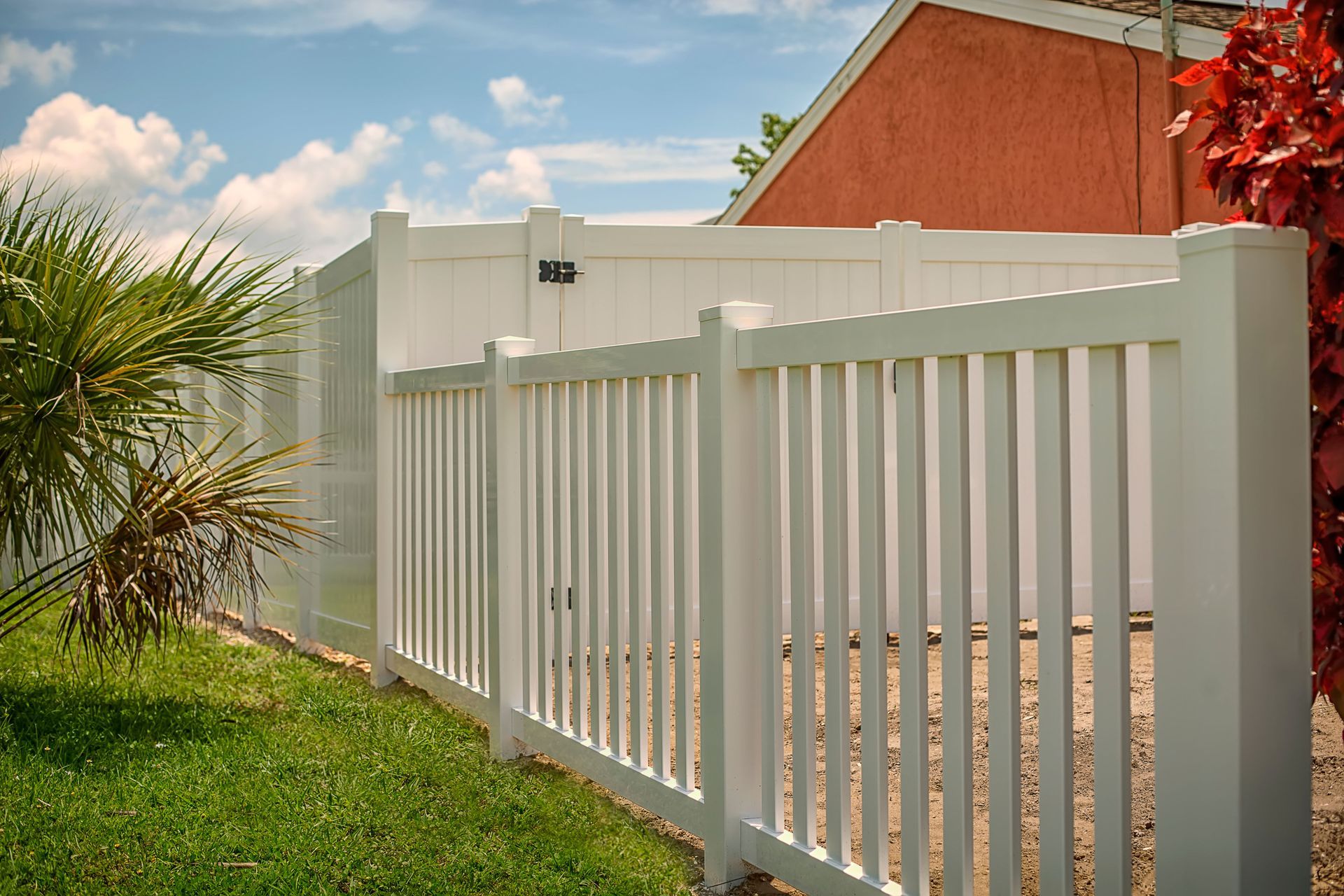
Vinyl picket fences can be customized in height, spacing, and overall layout to better suit different property styles and functional needs. Homeowners may choose tighter spacing for added containment or opt for wider spacing to achieve a more open, decorative appearance. Thoughtfully planned custom layouts help ensure the fence enhances the property and complements the home rather than overpowering it visually.
Coordinating Fence Design With Home Architecture
Matching a fence style to a home's existing architecture plays an important role in enhancing curb appeal and maintaining visual consistency. Traditional homes often pair well with classic picket designs, while contemporary properties may benefit from cleaner lines and simplified profiles. Taking surrounding structures and landscaping into account helps create a cohesive exterior appearance that feels intentional and well-balanced.
Selecting Fence Colors for Visual Impact
Vinyl fencing is available in a range of color options, each influencing how a property is perceived from the street or yard. Lighter colors can contribute to a bright, open feel, while darker tones may add contrast and stronger visual definition. Selecting a color that complements exterior finishes and landscaping elements helps the fence blend naturally into its surroundings.
Incorporating Gates and Decorative Elements
Gates are an essential component of most fence installations, providing access while maintaining a consistent and unified look. Decorative features such as post caps or subtle accents can introduce visual interest without compromising function. When used thoughtfully, these elements allow homeowners to personalize their fence while preserving balance and overall design cohesion.
4. Planning the Fence Installation Process
Understanding the Benefits of Professional Installation
Getting vinyl fences professionally installed ensures they're properly aligned, securely anchored, and installed according to local requirements. Experienced installers account for terrain, spacing, and layout details that affect long-term stability. This approach helps reduce the likelihood of alignment issues or premature wear.
Preparing the Site and Planning the Layout
Before installation begins, the property is evaluated to confirm fence placement and layout. This includes identifying boundaries, checking elevation changes, and planning gate locations. Careful preparation helps ensure the finished fence follows a clean, consistent line.
Reviewing Permits and Local Guidelines
Fence installations may be subject to local regulations, including height limits or setback requirements. Homeowners are encouraged to review applicable guidelines before installation to prevent delays or required modifications. Addressing these considerations early supports a smoother installation process.
5. Maintaining Vinyl Fence Performance
Performing Routine Cleaning
Vinyl fencing generally requires minimal maintenance compared to many other fencing materials. Periodic cleaning helps remove surface dirt and debris while maintaining the fence's appearance throughout the year. Addressing buildup early can help prevent staining and support long-lasting curb appeal with relatively little effort.
Inspecting for Minor Issues Over Time
Occasional inspections allow homeowners to identify loose components or alignment concerns before they develop into larger issues. Addressing small concerns promptly helps maintain both the fence's function and its overall appearance. Seasonal weather changes can make routine inspections especially beneficial, as shifting conditions may affect fencing over time.
Supporting Longevity Through Ongoing Care
Consistent care supports the longevity of vinyl picket fences as the years pass. Keeping landscaping trimmed away from fence panels and avoiding unnecessary impact helps preserve both structure and finish. Taking a proactive approach to long-term care helps ensure the fence continues to enhance the property and remains visually appealing.
6. Considering the Practical Impact of Fence Longevity
Evaluating Longevity as a Practical Benefit
Some homeowners consider how long a fence is expected to remain functional when evaluating materials. Vinyl fencing is often selected for durability and low maintenance needs, which may reduce replacement frequency. Choosing long-lasting materials can support more efficient use of resources over time.
Planning for Future Property Needs
When selecting vinyl picket fences, it is helpful to consider future landscaping updates or property improvements. Choosing a flexible design can make future adjustments easier without compromising appearance. Long-term planning supports consistent functionality as household needs evolve.
Choosing vinyl picket fences goes beyond appearance and involves thoughtful planning around design, installation, and long-term care. Evaluating these considerations helps homeowners select an option that complements the property layout and performs reliably over time. To learn more about available options and professional installation, homeowners can explore the services offered by VFM - Vinyl Fence & More.